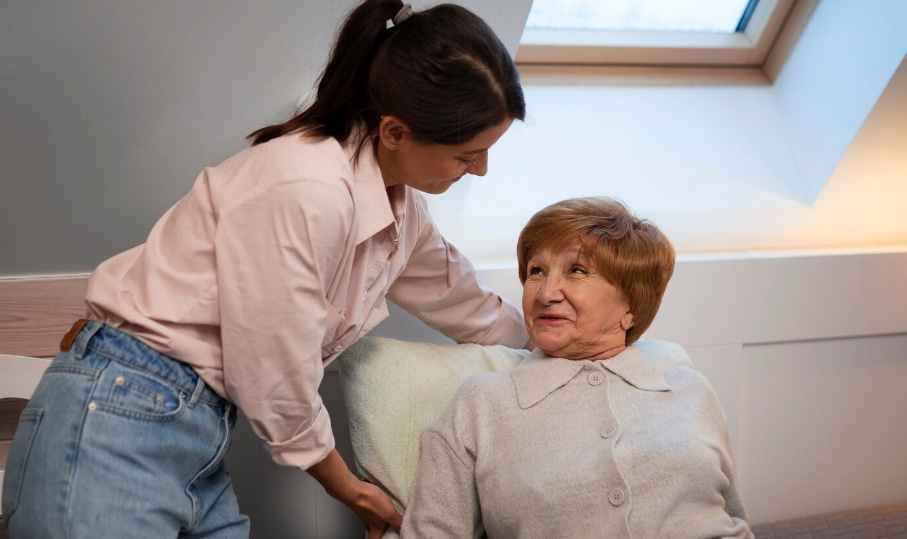
Choosing hospice is about living as well as possible with a serious illness. Early referral gives you more time to stabilize symptoms, set clear goals, and bring supportive services into your home. When hospice begins sooner, you are more likely to feel comfortable, remain at home, and avoid stressful emergency visits.
This guide explains how hospice improves daily life, why timing matters, and what to expect when you start care.
What Hospice Does for Your Daily Life

Hospice focuses on comfort, function, and time at home. The goal is to help you feel better and do more of what matters to you. Care is coordinated by a nurse case manager and provided by an interdisciplinary team.
What you can expect:
- Regular nurse visits that adjust medications, prevent crises, and teach simple, effective comfort strategies.
- On-call support 24 hours a day so you are not alone with new symptoms at night or on weekends.
- Home health aide services that assist with bathing and personal care to protect dignity and safety.
- Medications related to comfort delivered to your home, with refills coordinated by the team.
- Durable medical equipment such as a hospital bed, oxygen, commode, and mobility aids to make home care safer.
- Social work and chaplaincy to help with coping, resources, and emotional or spiritual support.
- Bereavement services for family members before and after a loss.
When these supports are in place early, your plan is proactive rather than reactive. That is the difference between calling before a symptom becomes distressing and rushing to the hospital after it does.
Why Early Referral Matters
- Better symptom control
The team can titrate medications carefully over time. Starting earlier allows adjustments that improve comfort without unwanted side effects. You gain more predictable days with fewer sudden setbacks. - Fewer emergency visits
Many late hospice referrals begin during a crisis. When hospice starts sooner, you have equipment, medications, and a plan in place, which reduces avoidable emergency trips and hospital readmissions. - More time at home
Earlier enrollment gives you more days with the people and routines you love. Families often report more meaningful conversations and a calmer environment. - Support for caregivers
Caregivers learn what to expect and how to respond. Training and respite options help prevent burnout, which is essential for safe care at home. - Stronger alignment with your goals
Early hospice includes thoughtful conversations about what matters most. Your plan can prioritize comfort, energy for visits, or specific milestones, and your team will adjust care to match.
When to Consider Hospice Earlier
If any of the following are true, starting hospice now may help:
- You want to avoid future hospital stays if possible.
- Symptoms are interrupting sleep, meals, or daily activities.
- Treatments are no longer improving quality of life.
- There is increasing weakness or weight loss.
- Your caregiver is feeling overwhelmed and needs practical help.
- You want a coordinated plan for comfort at home.
If you are unsure, ask for a hospice evaluation. An evaluation is educational and pressure-free. You will learn what support is available and can choose the right timing.
What Begins During the First Week
Days 1 to 2: Admission visit, review of goals, initial medication reconciliation, and orders for needed equipment.
Days 3 to 5: Equipment delivery, home safety review, and first teaching visits for caregivers.
Days 5 to 7: Follow-up nurse visit to fine-tune the plan, social work introduction, and scheduling of aide services.
This early rhythm gives your household a predictable routine. Your team remains available by phone at all times, and urgent nurse visits can be arranged when needed.
Common Concerns and Clear Answers
- Is hospice only for the final days?
No. Hospice can support you for months. Earlier care means more time to stabilize symptoms and enjoy daily life. Learn more about what hospice really means. Read: Hospice Care Meaning - Do I lose my doctor?
No. Your primary doctor or specialist can stay involved. The hospice medical director adds expertise in symptom management. - Can I still get treatments?
Yes, when treatments support comfort. Your plan may include oxygen, diuretics for fluid relief, antibiotics for comfort, or other therapies that improve day-to-day wellbeing. - What if I live longer than six months?
You can remain on hospice as long as the medical team documents ongoing eligibility. Many people live longer with good symptom control and less stress.
Eligibility and Readiness Explained
Eligibility is a medical determination that the illness is life limiting and likely to continue to decline. Readiness is your choice to focus on comfort and quality of life. You may be eligible before you feel ready. A hospice information visit can help you understand options and plan next steps. When you feel ready, starting sooner lets you build a strong foundation at home.
How Early Hospice Supports Caregivers
- Clear instructions for common symptoms such as pain, breathlessness, anxiety, nausea, and constipation.
- Direct phone access to a nurse to talk through changes and decide what to do next.
- Aide support that protects privacy and reduces physical strain during bathing and transfers.
- Respite care options if caregivers need a short break to rest and regroup.
- Community resources such as meal support, transportation, or benefits guidance.
Caregivers who receive training and reliable backup report higher confidence and less worry, which translates to a steadier home environment.
Simple Home Setup That Makes a Big Difference
- Place the hospital bed where the patient can see natural light and be part of daily life.
- Keep a small caddy with oral care items, hand lotion, and favorite lip balm within reach.
- Use a medication organizer and a visible schedule that lists purpose and timing.
- Set a quiet corner for brief visits from friends, grandchildren, or pets.
- Keep the hospice after-hours number on the refrigerator and in each caregiver’s phone.
These straightforward steps increase comfort and reduce avoidable stress for everyone involved.
Hospice for Families in Burbank and Los Angeles County
In a large metro area like Los Angeles, starting hospice early helps you navigate complex care more smoothly. Equipment deliveries, medication coordination, and after-hours support are organized to reach homes across Burbank, the San Fernando Valley, the Westside, South Bay, and neighboring counties. Early planning prevents last-minute scrambling and allows your team to tailor visits to your neighborhood and schedule.
How Journey Supports Your Patients and Your Work
Journey Palliative and Hospice partners with you to deliver timely, coordinated care that prioritizes comfort, safety, and dignity at home. Our team supports your goals with rapid admissions, clear communication, and services that ease symptom burden and caregiver strain. Count on us to make the transition smooth for your household and efficient for your clinicians.
What we provide right away:
- Rapid start of care with same-day or next-day nurse visits when available.
- Medication and equipment coordination to stabilize symptoms at home.
- Interdisciplinary support that includes nursing, social work, chaplaincy, and home health aide services.
- Caregiver education with printed and verbal guides tailored to your needs.
- Ongoing communication with your doctor so the care plan stays aligned with your priorities.
How to Start the Conversation
If you think hospice might help, you can:
- Ask your doctor for a hospice referral and let them know you want to focus on comfort.
- Call our team to request an education visit. This is a no-obligation meeting to understand your options and plan next steps.
- Invite a family member or caregiver to join so everyone hears the same information.
Early questions are welcome. You do not need to wait for a crisis.
FAQs
- Can I try hospice and change my mind?
Yes. You can revoke hospice at any time if you wish to pursue treatments that are no longer part of the hospice plan. - What does hospice cost?
For those who qualify, the Medicare Hospice Benefit generally covers hospice services, medications related to comfort, and equipment. Many private plans include similar benefits. We can help you understand your coverage. - Will hospice be there after hours?
Yes. A nurse is available by phone 24 hours a day, with urgent visits when needed.
Talk to Experts About Early Hospice Today
Call (818) 748-3427 to discuss your goals and symptoms. Journey serves Los Angeles County, Burbank, Orange County, Riverside County, Ventura County, and Kern County.
Starting hospice sooner can mean more comfort, more time at home, and more control over your day. If you are wondering whether it is time, a simple call can help you decide.